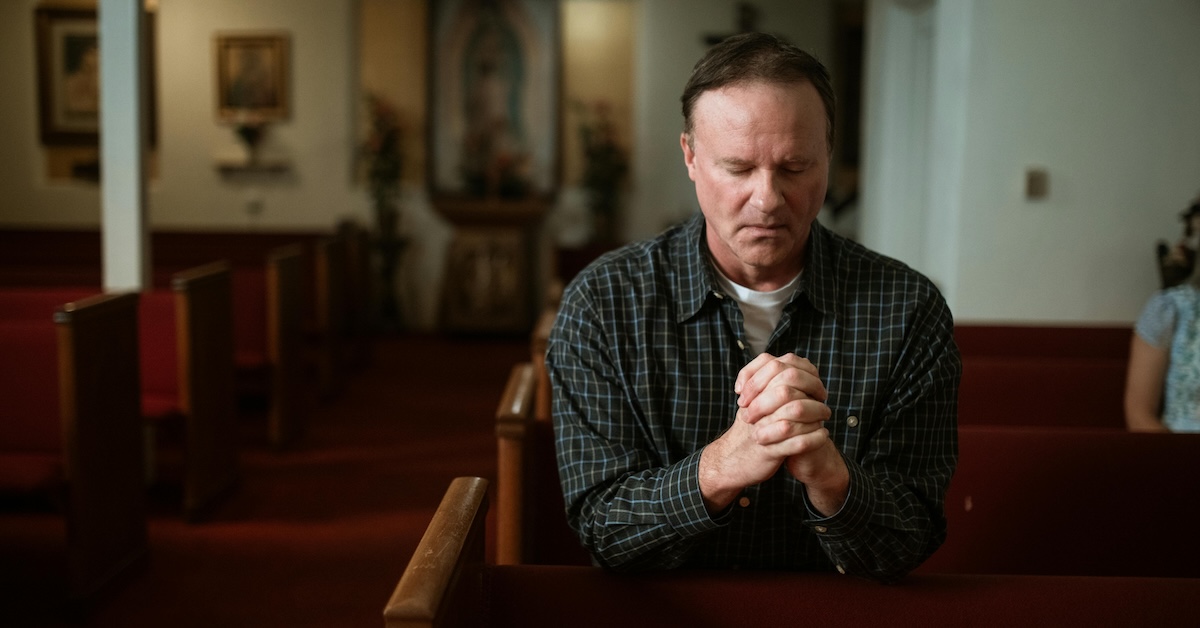
Imagine this: You’re lying on the couch, staring at the ceiling, replaying the day. Your 8-year-old asked you something about God at dinner—something simple, probably—and you froze. You mumbled something about “Jesus loves you,” changed the subject, and now you can’t stop thinking about it.
You’re worried you’re going to mess this up. You’re worried you’ll push too hard and your kids will run from faith the moment they leave your house. Or you’ll sound fake because, honestly, you don’t have all the answers yourself. Maybe your own father never talked about God except in lectures that made you want to tune out. Maybe you heard too much guilt at church growing up. Maybe you just feel shy about saying spiritual things out loud.
Here’s what I want you to hear: caring this much about how to talk to your kids about faith already shows deep love. It shows humility. It doesn’t show failure.
This article isn’t about converting your children or getting perfect results. It’s about ongoing conversations—the kind that happen in the car, at bedtime, after a hard day at school. Real moments with a real dad who’s still figuring things out himself.

Why Does Talking About Faith Feel So Hard as a Dad?
You’re not alone if talking about God with your kids feels awkward. Most dads I know feel stuck here—like there’s a right way to do this that everyone else knows and they missed the memo.
Here’s why this is so common:
Many dads only saw lectures, guilt, or complete silence around God while growing up. There wasn’t a natural model for weaving faith into everyday life. If your father only talked about the Bible when he was correcting you, or if church felt like a performance, you probably don’t have a template for what healthy faith conversations with kids even look like.
There’s also this unspoken belief that you have to be “super spiritual” before you can teach children anything about God. Like you need every Bible answer memorized. Like you need to pray for an hour each morning. Like your own life has to be perfect before you open your mouth.
That’s exhausting. And it’s not true.
The tension you feel—wanting to pass on faith without repeating the pressure-filled patterns from your own upbringing—is actually a sign of growth. You’re trying to do this differently. With more grace. With more honesty.
Feeling awkward doesn’t mean you’re failing. It usually means you’re breaking a cycle.
Why Most Dads Don’t Want to “Lecture” About Faith
Picture this: it’s Tuesday night, and you decide to share a Bible story at the dinner table. You start strong. You’re explaining the context, the historical background, the theological implications…
And then you look up. Your daughter is pushing peas around her plate. Your son is staring at the ceiling. Your wife is giving you “the look.”
Ten minutes in, and you’ve lost them.
Here’s what’s happening: kids can smell pressure. They sense when you’re trying to convince them of something, especially around God and church. Lectures almost always shut kids down instead of opening them up. It’s not that the truth you’re sharing isn’t important—it’s that the method creates resistance.
Many dads default to lectures because that’s what they saw. Pastors lectured. Sunday school teachers lectured. Maybe your own dad lectured. But if you’re honest, those lectures didn’t work that great for you either.
Here’s a reframe that might help: faith is rarely passed down through speeches. Research shows that 80% of faith transmission happens through observed parental habits, not direct teaching. Kids learn faith through presence, relationship, and the posture of a dad who is humble, curious, and willing to listen.
You don’t have to become a preacher at home. You can become a good question-asker. A patient listener. Someone who invites conversations instead of forcing them.
How Do Kids Actually Learn Faith from Their Parents?
This section is simple. Science-aligned. Scripture-aligned. And very practical for your day-to-day life.
Kids watch before they listen. Your children are studying you constantly. They notice how you respond when someone cuts you off in traffic. They watch how you treat the server at a restaurant. They observe whether you apologize when you blow it with their mother. These moments teach more about faith than any Bible talk you could give.
Tone matters more than content. A gentle, curious voice about God is more powerful than perfectly worded theology spoken with frustration or fear. Kids remember how you made them feel. They remember if faith felt safe or scary.
Consistency matters more than intensity. Small, steady faith moments at home shape kids far more than rare, intense “big talks” about sin and salvation. A 20-second prayer at bedtime, repeated night after night, does more than a yearly lecture about the gospel.
This is what experts call “modeling over managing.” When you model faith—reading the Bible for yourself, apologizing when you mess up, praying quietly in the kitchen—your kids learn by watching. That’s different from managing their spiritual output, like quizzing them on Bible stories or grading their Sunday school performance.
Your own life is the curriculum.
How Do I Talk to My Kids About Faith Without Lecturing?
Start with short, natural moments instead of formal sit-down talks.
The car is gold. You’re sitting side by side, not making intense eye contact, and there’s a natural time limit. The drive to school, the trip home from soccer practice, the ride to grandma’s house—these are perfect for quick faith conversations with kids.
Bedtime works too. When your daughter is safely seated under the covers and the day is winding down, she’s often more open to wonder. Ask a simple question: “What’s one thing you’re thankful for today?” or “Is there anything you want to talk to God about?”
Start with questions instead of speeches. Try these:
- “What do you think God is like?”
- “What’s one thing you wonder about heaven?”
- “When did you feel close to God this week?”
Questions invite. Lectures push.
Tie faith to real life. Talk about God when your son is worried about a math test. Pray together when a friend is sick. Mention Jesus when you’re watching the news about a disaster. Faith isn’t just for church or mealtimes—it belongs in the mess of ordinary life.
Here’s the key idea: short, honest conversations—two to three minutes at a time—beat long explanations that feel like school or discipline. You’re not trying to cover everything. You’re trying to keep the door open.
How to Talk About Faith Naturally (Not Formally)
Think of this section as a toolbox. Grab what fits your family. Leave what doesn’t.
Everyday entry points:
- A sunset: “God makes beautiful things, doesn’t He?”
- A news story about a disaster: “Let’s ask God to help those families.”
- A winning goal at the soccer game: “Thank You, God, for healthy bodies and fun games.”
- A hard day at school: “That sounds really hard. Can I pray a quick prayer for you?”
Simple scripts that sound like a normal dad:
- “Can I pray a one-sentence prayer for you right now?”
- “That’s a big deal. Let’s ask God for help with that.”
- “I was reading something in the Bible this morning that made me think of you.”
Weave God-language into ordinary gratitude. Thank God for pizza on Friday nights. For a passed driving test. For a safe flight to visit grandparents. Gratitude is one of the most natural ways to talk about God without it feeling weird.
Natural faith conversations come from being yourself with God. You don’t need a “religious voice.” You don’t need a formal weekly meeting at the kitchen table. You just need to quietly bring God into the moments you’re already living.
What If I Say the Wrong Thing About Faith?
This fear keeps a lot of dads quiet. You’re worried you’ll confuse your kids. Misquote a verse. Say something that “messes them up” for years.
Here’s the truth: God is more faithful than your phrasing.
What builds trust isn’t getting every word right. It’s humility and repair. Saying something like, “I think I explained that badly yesterday—can I try again?” actually deepens your child’s respect for you. It shows that faith is a journey, not a performance.
A practical mindset shift: Instead of aiming for “final answers,” aim for honest, age-appropriate, in-progress conversations about God and the Bible.
Simple recovery tools:
- “I’ve been thinking about what I said, and I want to add something…”
- “I looked it up and learned something new—want to hear it together?”
- “I’m not sure I got that right. Let me think about it more.”
What matters most isn’t perfect theology in every moment. It’s a dad who keeps coming back. Keeps listening. Keeps talking about faith with gentleness over the years.
How Do I Talk About God When I Still Have Questions?
Let’s name this clearly: many Christian dads carry unanswered questions. Maybe from your teen years. Maybe from a recent loss or a season when life fell apart. Maybe you’ve wondered things you’ve never said out loud.
This does not disqualify you from talking to kids about faith.
Here’s a phrase to hold onto: “You don’t have to pretend certainty to pass on faith.”
When you pretend to have all our confidence about every doctrine, you accidentally teach your kids to hide their questions. They learn that doubt is shameful, something to suppress. But when you’re honest about your own journey, you create space for them to bring their questions into the light.
Sample language for dads:
- “I don’t know the full answer, but I believe God is good and with us.”
- “That’s something I’m still learning about too.”
- “Let’s ask someone we trust and learn together.”
Share age-appropriate parts of your own faith story. Times when you doubted. Times when you felt far from God. Times when you experienced His help during job loss or illness. Your kids need to see that faith isn’t a destination—it’s a walk.
Kids who see faith as a shared exploration—where questions are welcome—are far more likely to come to you when they wrestle with God in middle school or high school.
Talking to Kids About Faith Without Forcing It
This section is about pressure—how to lower it for both you and your kids while still taking faith seriously.
Trade control for invitation. Move from “You have to believe this” toward “Here’s what I believe, and here’s how I see God at work—what do you think?”
Be careful with fear-based language. Using threats about hell or shame as the main tool to explain faith often builds secret anxiety instead of complete trust. Kids need to know that God loves them before they understand why He matters.
What non-pressured language sounds like:
- “If you ever want to talk more about Jesus, I’m here.”
- “You can always bring me any question about God—nothing is off-limits.”
- “I’m not going to force you to believe anything. But I want you to know what I believe and why.”
Re-center faith as relationship, not requirement. Following Jesus is learning to know and trust God—Someone who loves us—not just performing the right religious behaviors. When your kids see your own faith as genuine relationship, not obligation, they’re drawn in rather than pushed away.
Simple Ways to Practice Faith at Home (Without Making It Weird)
Think of this as a low-pressure menu. Pick one or two things that fit your family’s personality and season of life. This isn’t a checklist you must complete.
Simple ideas:
| Practice | When | How Long |
|---|---|---|
| One-sentence prayer | Before school drop-off | 10 seconds |
| Gratitude share | At dinner | 1 minute |
| Quiet moment with God | Before bed | 30 seconds |
| Bible story read-aloud | Sunday evening | 5-10 minutes |
| Worship song | Car ride to practice | 3 minutes |
Gentle family rhythms:
- Read one short Bible story from a kids’ Bible on Sunday evenings
- Listen to a worship song on the drive to soccer practice
- Pray for classmates before the first day of school each August
- Keep a “wonder jar” where all the kids can drop questions about God to discuss together
Avoid rigid routines that become power struggles. Start small. Be flexible when schedules or moods change. If bedtime prayers feel like a battle, try moving them to the car.

How to Answer Kids’ Questions About God (When You Don’t Know)
Every dad knows the “bedtime bomb”—that moment when your child asks something huge right when you’re about to turn off the lights.
“Dad, why does God let people die?” “How do we know the Bible is true?” “What if I stop believing in God?”
Here’s a simple three-step pattern:
- Affirm the question. “That’s a really important question. I’m glad you asked me.”
- Offer what you do know in simple terms. “I believe God is with us even when sad things happen, even when we don’t understand why.”
- Admit what you don’t know and invite shared discovery. “I don’t have the complete answer. But let’s learn together.”
Sample responses:
- “Why does God let bad things happen?” → “I don’t fully know, but I trust God is with us in the hard stuff. Let’s talk about this more tomorrow.”
- “Is heaven real?” → “I believe it is because Jesus talked about it. What do you imagine it’s like?”
- “What if my friend doesn’t believe in God?” → “That’s okay. God loves your friend too. We can pray for her and keep being a good friend.”
Circle back later. Write a note. Revisit the conversation the next day. Look up a Bible verse together. When your child sees that you take their questions seriously, they learn that faith is safe to wonder about.
The goal isn’t to end every question. It’s to keep the conversation open and safe over years.
What Matters More Than Getting the Words Right
Here’s the core message: kids remember how you were with them more than they remember exactly what you said about faith on any given Tuesday night.
The power of repair. When you lose your temper and apologize, you teach your child that Christians aren’t perfect—we’re forgiven. When you misrepresent God and come back to correct yourself, you model humility. When you return to a conversation you regret, you show that relationships matter more than being right.
Humility as a central trait. Show your kids you’re still learning. Still growing. Still needing God’s word and grace every day. A humble father is far more compelling than a dad who acts like he has all the answers.
Presence and long-term influence. A dad who keeps showing up, listening, and praying quietly for his kids over years often has deeper impact than a dad who only launches occasional “big talks.” It’s the steady drip, not the flash flood.
And here’s the hard but freeing truth: outcomes aren’t in your control. You’re invited to be faithful and open, trusting God with your kids’ hearts and timing. Your job isn’t to guarantee results. Your job is to stay in the conversation.
The Wrap Up: You’re Not Messing This Up
Let’s end where we started: you’re a dad who cares deeply about passing on faith. That matters. That counts.
The goal isn’t to raise kids who can recite perfect answers about God. It’s to raise kids who know that faith is safe to talk about with dad. Kids who feel they can bring their doubts, their fears, their wonder, and their questions—and you’ll listen without judgment.
Imperfect, in-progress dads are exactly the kind of people God delights to use in teaching faith at home.
So take one small step this week. Ask a simple God-question at bedtime. Pray a 10-second prayer with your child before school. Thank God out loud for something good that happened.
Every honest, gentle conversation about faith today is a seed. And God is very good at growing seeds over time.